Health & Safety Policy — Commercial Waste Tooting Operations
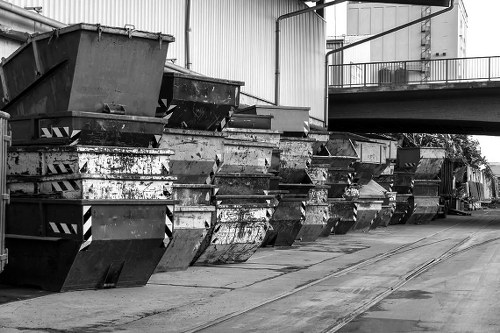 Purpose: This Health and Safety policy sets out the commitment and framework for safe operation of commercial waste services operating in and around the Tooting service area. It defines how commercial waste Tooting activities are managed to protect employees, contractors, customers and the public. The policy emphasises practical controls for rubbish collection, commercial rubbish removal in Tooting premises and on-route operations, and supports continual improvement of safety performance.
Scope: This policy applies to all work activities connected with the management, collection, transportation, handling and disposal of business refuse and waste materials. It covers commercial waste removal in Tooting, local depot operations, vehicle maintenance tasks and any site-specific tasks undertaken by staff or subcontractors. The approach is risk-based, proportionate to the hazards present and consistent with legal responsibilities without repeating legislation.
 Statement of intent: We will reduce injury and ill-health through effective risk assessment, safe systems of work and staff engagement. Roles and responsibilities are allocated, resources provided, and performance monitored. Key responsibilities include:
- Management — set standards, ensure training, provide equipment and monitor compliance.
- Supervisors — implement safe systems, supervise work and support reporting.
- Employees — follow procedures, use PPE and report hazards.
Risk assessment and control measures
All operations will be preceded by suitable and sufficient risk assessments. Controls follow the hierarchy: eliminate, substitute, engineer, administrate and provide PPE. Typical risk areas for Tooting waste services include manual handling of bulky items, vehicle movements, slips/trips, sharps and hazardous substances. Controls include mechanical aids, team lifts, segregation of wastes and safe loading practices.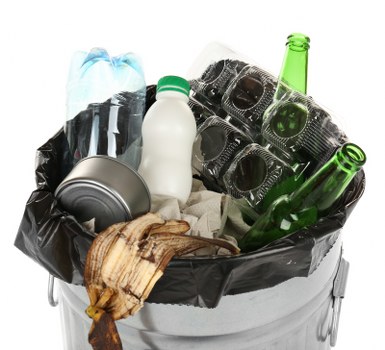
Safe systems of work and training
Training and competence are essential. New staff receive induction covering site rules, emergency procedures and correct use of equipment. Specific training covers manual handling, use of lifting equipment, vehicle loading and securement, and safe operation of compactors or balers. Regular toolbox talks and refresher training keep teams aware of changing risks in the rubbish collection cycle.Personal protective equipment is provided where residual risk remains. Users must wear suitable high-visibility clothing, gloves, safety boots and eye protection where required. Equipment is inspected, maintained and replaced as needed. Vehicle safety checks, load restraint, reversing alarms and signage minimise risks from moving vehicles during commercial waste collections and drop-offs.
Hazardous and controlled wastes are identified, segregated and handled according to safe waste handling procedures. Sharp objects, chemical containers and electronic waste require special containment and labelling. Where contractors handle hazardous streams, they must demonstrate competence and provide safe method statements. The policy supports safe removal and transfer of regulated materials without over-specifying legal detail.
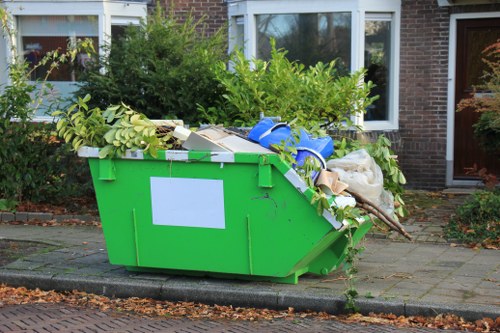 Incident reporting and emergency response — All incidents, near misses and property damage must be reported promptly to line management. Incidents are investigated to identify root causes and prevent recurrence. Emergency arrangements include spill kits, clear evacuation routes, first aid provision and communication procedures to manage fires, chemical releases or medical emergencies during rubbish operations.
 Monitoring, audit and review — Performance is measured through inspections, audits and analysis of incident trends. Corrective actions are tracked and implementation verified. Senior management review the policy and its effectiveness annually or after significant change. Continuous improvement is sought through worker engagement, lessons learned and updates to procedures or training.
Responsibilities are documented and understood at every level. Managers must allocate sufficient resources, maintain safe equipment and ensure the workforce is competent. Supervisors must ensure safe methods are followed at collection points and when servicing commercial properties. Employees have an active duty to follow instructions, use controls provided and highlight unsafe conditions.
Vehicle and site safety — Vehicles used for commercial rubbish collection are serviced according to manufacturer schedules and checked daily. Load security procedures prevent spillage and shifting that could endanger crew or the public. Site safety plans for customer premises and communal collection points ensure safe access and minimise interface risks with the general public.
Policy application and continuous improvement: This policy applies to all commercial waste operations and supports a culture of safety-first thinking across the service area. It is a living document that will be updated as work practices, technology and regulatory expectations evolve. Everyone involved in the commercial waste supply chain is expected to work to the standards set out here to protect health, safety and the environment.
