Tooting rubbish removal guide SW17 fast reliable quotes
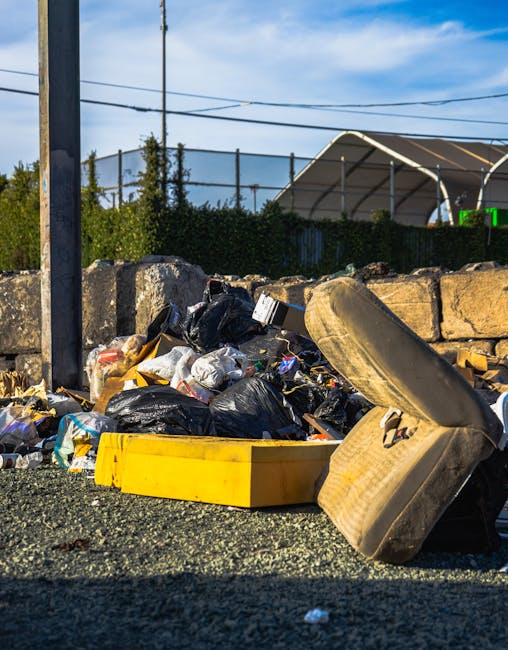
If you need a Tooting rubbish removal guide SW17 fast reliable quotes article that actually helps you make a decision, you are in the right place. Whether it is a single broken wardrobe, a post-renovation pile of plasterboard, or a full flat clear-out after a stressful move, rubbish has a habit of taking over fast. One minute the hallway is clear; the next it feels like the spare room has swallowed half the house.
This guide walks through how rubbish removal in Tooting typically works, what affects pricing, what to ask before you book, and how to avoid the common mistakes that lead to delays or surprise costs. You will also find practical tips for faster quotes, a comparison table, a checklist, and answers to the questions people usually ask before they book. Simple, useful, no fluff.
Why Tooting rubbish removal guide SW17 fast reliable quotes Matters
Getting rubbish removed is not just about tidying up. In a busy part of South West London like Tooting, clutter can quickly become a practical problem. It blocks access, delays tradespeople, makes a property harder to use, and can create a real health-and-safety headache if you leave it too long. That is especially true in flats, shared houses, converted buildings, and businesses with limited storage.
Fast, reliable quotes matter because timing is often the difference between getting the job done today and losing another week of space, peace, and momentum. If you have builders waiting to start, an end-of-tenancy deadline closing in, or a garage that you can no longer walk through without side-stepping old furniture, the quote process should be straightforward. Not a faff. Not a mystery. Just clear information and a sensible price.
To be fair, rubbish removal can seem simple until you start comparing services. One provider may price by load, another by weight, another by time on site. Some include labour, lifting, and disposal in one figure. Others separate things out. That is why a proper guide helps: it gives you a way to compare like for like, which is often where the savings are hiding.
Expert summary: The best rubbish removal service is not always the cheapest headline price. It is the one that explains what is included, arrives when promised, handles the waste responsibly, and gives you a quote that matches the real job.
If you want to understand broader clearance options beyond one-off rubbish removal, it can also help to look at general waste removal services and the company's approach to recycling and sustainability, especially if you care about where the waste ends up. And honestly, most people do, once they have stopped and thought about it for a minute.
How Tooting rubbish removal guide SW17 fast reliable quotes works
In practical terms, rubbish removal usually follows a fairly simple process. You describe the waste, get a quote, agree a collection time, and the team removes the items from the property. The quicker and clearer your description, the faster the quote tends to be. It really is that direct.
For smaller jobs, you may be able to send a few photos and get a response quickly. For larger or mixed loads, the provider may ask follow-up questions about access, parking, lifting, hazardous materials, or whether the rubbish is in the loft, garden, basement, or fourth-floor flat with no lift. That last part matters more than people expect. A pile of waste on the pavement is not the same as a pile of waste in a loft. Not even close.
Fast quotes are usually built on good information. A decent provider wants to know:
- what type of waste you have
- how much there is, roughly
- where it is located
- whether there are stairs, tight corridors, or access issues
- if any items are heavy, awkward, or specialist waste
- how soon you need collection
That is why photos help so much. They let the team estimate volume and assess whether a standard load is enough or whether the job needs a larger crew or extra time. If you are booking quickly, sending images from a phone in daylight tends to work better than trying to describe the mess over a rushed call. Everyone wins.
For more specialised clearances, it may be worth looking at pages such as builders waste clearance, office clearance, or home clearance so you can match the right service to the right type of waste. That is especially useful if your job is not just a pile of mixed junk, but a more defined clearance.
Key Benefits and Practical Advantages
The main reason people choose rubbish removal over doing it themselves is convenience, but there are a few deeper advantages worth spelling out.
- Speed: A good team can clear items much faster than a single person with a car and a couple of bin bags.
- Less hassle: No hiring a van, no making multiple trips, no queueing at a tip, no wondering if the load will fit in the boot.
- Safer lifting: Large furniture, broken appliances, and bagged waste can be awkward and heavy. That is where backs get tweaked.
- Better presentation: Useful for landlords, letting agents, sellers, and businesses that need a tidy property fast.
- Responsible disposal: A reputable provider should separate recyclable materials where possible and dispose of waste properly.
There is also a mental benefit people do not talk about enough. Clutter is noisy in its own way. It sits there, quietly reminding you of unfinished jobs. Once the space is clear, the room feels different. Lighter. Easier to use. You notice the floor again, which sounds silly until you have lived with piles of rubbish for a while.
If the job includes bulky household items, the related service pages for furniture clearance, mattress and sofa disposal, or fridge and appliance removal may be particularly relevant. The right specialist route can save time and reduce the chance of a failed collection.
Who This Is For and When It Makes Sense
This kind of service makes sense for a wide range of people in SW17. If you are in Tooting Broadway, Tooting Bec, or a nearby residential street, the likelihood is that at some point you will have a job that does not justify hiring a skip, but also is too much for the council bin collection. That in-between job is exactly where rubbish removal shines.
Typical users include:
- homeowners clearing out sheds, garages, lofts, or spare rooms
- tenants at the end of a tenancy who need to leave a place tidy
- landlords dealing with leftover items after a move-out
- estate or probate clearances where items need sorting with care
- businesses disposing of old stock, packaging, desks, or archived clutter
- builders and tradespeople with renovation waste that needs moving quickly
It also makes sense if you are short on time. People often underestimate how long it takes to sort waste, bag it, load it, move it safely, and deal with transport. A Saturday morning can disappear very quickly once you are halfway through a clear-out and realise you have nowhere to put the broken chest of drawers.
For larger domestic jobs, the related clearance services like house clearance, flat clearance, loft clearance, or garage clearance may be a better fit than a simple one-off load removal. That distinction matters because it affects quoting, timing, and the level of labour needed.
Step-by-Step Guidance
If you want fast, reliable quotes, the process starts before you speak to anyone. A little preparation goes a long way. Here is the cleanest way to handle it.
- Gather the waste into one area where possible. You do not need to tidy everything perfectly, but grouping items helps the provider assess the load.
- Take clear photos from a few angles. Include wider shots and close-ups. If there are heavy items or mixed materials, show those too.
- Make a basic item list. A sofa, two mattresses, four black bags, a dismantled wardrobe, a broken microwave. Short and simple is fine.
- Note any access issues. Stairs, narrow hallways, parking restrictions, gate codes, or a top-floor walk-up all affect the job.
- Check for restricted items. Some waste types need special handling, such as hazardous materials or certain appliances.
- Ask what is included in the quote. Labour, loading, disposal, recycling, VAT, and any congestion or access considerations should be clear.
- Choose a collection time that suits the property. If it is a flat or commercial site, make sure someone can provide access.
- Keep the route clear on the day. A little preparation helps the crew finish faster and safely.
One small but useful trick: if your waste is spread across several rooms, take one photo of the whole job and then one or two photos per room. That gives a much better sense of volume than a single dramatic close-up of a corner with five bags. It sounds obvious, yet people forget it all the time.
If you are unsure whether your items fit into a skip-style solution rather than a direct removal service, the guide to what can go in a skip is a handy reference point. It is not the same thing, of course, but it helps people compare options more sensibly.
Expert Tips for Better Results
Here is where a bit of local know-how saves money and stress.
First, be precise about the mix of waste. General household rubbish, building debris, furniture, white goods, and garden waste may all be handled differently. If you describe everything as "junk", the quote may be slower or less accurate. A rough description is fine. Just not too rough.
Second, think about access before collection day. In Tooting, parking can be tight and access routes can be awkward, especially around narrow residential streets or busy commercial areas. If the team needs to park a little way from the property, that is not a deal-breaker, but it should be mentioned upfront.
Third, separate out anything sensitive or valuable. Old paperwork, photographs, personal records, keys, or small items tucked into drawers can be missed easily. Before a clearance, do a quick sweep. You will thank yourself later.
Fourth, ask for clarity on recycling and disposal. Good providers should be able to explain how they handle reusable or recyclable materials. You do not need a lecture, just a clear answer.
Fifth, check whether specialist items need their own service. For example, fridges, appliances, and certain waste types may need separate handling. If that is your situation, it is better to ask early than to discover it on the day. A very annoying discovery, truth be told.
For business users, it may also help to review business waste removal and confidential shredding if the job involves office files, archived paperwork, or closing down a workspace. Those details can be easy to overlook when you are focused on the main clear-out.
Common Mistakes to Avoid
Most clearance problems come from one of a few simple mistakes. The good news is they are easy to avoid once you know what to look for.
- Getting a quote from vague descriptions. "A bit of rubbish" is not enough if the job is actually half a van load.
- Forgetting access details. A quote can change if the crew has to carry items long distances or navigate stairs with heavy loads.
- Assuming every item is accepted. Hazardous or specialist waste may require separate arrangements.
- Not asking what the price includes. Always clarify whether loading, labour, and disposal are covered.
- Leaving the sort-out to the last minute. That is when people start making rushed decisions and missing important items.
- Choosing only on headline price. The cheapest quote can become expensive if it excludes basics or adds on charges later.
Another common error is mixing useful items with waste. It happens more than you might think. A quick glance at a packed room and suddenly that spare lamp, those books, and the decent chair all get bundled in with the broken stuff. Take ten minutes to separate what can be kept, donated, reused, or disposed of. It is a small pause that can save regret later.
If you are dealing with larger items that need careful disposal, the pages on furniture disposal and mattress and sofa disposal may help you plan the job better and avoid booking the wrong type of removal.
Tools, Resources and Recommendations
You do not need much to prepare for a rubbish removal job, but a few basic tools make the process smoother.
- Phone camera: Take several clear photos in good light.
- Notepad or notes app: List items, access notes, and any questions for the provider.
- Heavy-duty gloves: Useful if you are sorting sharp or dusty items before collection.
- Bin bags or rubble sacks: Handy for loose rubbish, but do not overload them.
- Measuring tape: Helpful for awkward furniture or appliance dimensions.
- Basic cleaning supplies: A broom and dustpan can make the area easier to clear once the load is gone.
In terms of planning, the most useful resource is often a clear pricing page. If you want to understand how jobs are usually assessed, take a look at pricing and quotes. That kind of page helps set expectations early, which is especially useful if you are comparing providers and do not want surprises.
Another helpful planning step is checking the company's approach to safety and handling. A provider with clear policies on insurance and safety and health and safety is usually taking the job seriously. That does not mean perfection, of course, but it does show there is a proper process behind the van and the loading team.
Law, Compliance, Standards, or Best Practice
For rubbish removal in the UK, the main thing to remember is that waste must be handled responsibly and by a service that can deal with it correctly. You do not need to become a legal expert to book a clearance, but you should be cautious about who you hand waste to. If waste is fly-tipped after collection by an untrustworthy operator, the original source can sometimes face questions. That is not the kind of surprise anybody wants.
Best practice is simple:
- use a provider that is clear about disposal methods
- check what happens to reusable and recyclable materials
- make sure restricted waste is declared honestly
- keep records or confirmation of the booking and service
- do not mix general rubbish with items that need specialist handling unless the provider says they can take them
For commercial jobs, additional care is sensible if you are clearing offices, stockrooms, or records. Confidential waste should be dealt with separately and securely. Electricals, fridges, and certain large items can also need specific handling, so it pays to ask rather than guess.
This is where pages such as payment and security and terms and conditions can be useful. They help you understand what the service expects from both sides. Slightly boring, yes. Also very important.
Options, Methods, or Comparison Table
People in Tooting usually compare three main approaches: do it yourself, hire a skip, or book a rubbish removal team. The right choice depends on the waste type, time pressure, access, and budget.
| Option | Best for | Pros | Watch out for |
|---|---|---|---|
| Do it yourself | Very small loads and people with time, transport, and lifting help | Can be cheaper upfront | Time-consuming, physically hard, multiple trips, disposal logistics |
| Skip hire | Longer projects with space for a skip outside the property | Good for ongoing clear-outs and building work | Permits, space restrictions, filling rules, responsibility for loading |
| Rubbish removal team | Fast clear-outs, bulky items, awkward access, or same-day needs | Loading included, quick turnaround, less hassle | Quote depends on volume, item type, and access |
In many SW17 homes, rubbish removal is the most practical option because space is tight and parking can be awkward. You might not want a skip sitting outside for days, and you might not want to spend your entire afternoon dragging a wardrobe down two flights of stairs. Fair enough.
If you are comparing options carefully, the guide to what can go in a skip can help you judge whether a skip or a direct removal service makes more sense for your specific pile of waste.
Case Study or Real-World Example
Here is a realistic example based on the sort of jobs people in Tooting often need done. A tenant was moving out of a second-floor flat and had a broken wardrobe, two chairs, a mattress, four bin bags, and a couple of small appliances left behind after a rushed clear-out. The lift was out of service, the stairs were narrow, and the move-out deadline was the next morning. Not ideal.
Instead of trying to sort everything into a car and make repeated trips, the tenant took clear photos of the items in the hallway and bedroom, listed the bulky pieces, and mentioned the stair access upfront. The quote came back quickly because the provider had enough detail to estimate labour and loading needs properly. On collection day, the team arrived ready, removed the items in one go, and left the hallway clear for the final clean.
What made that job smooth was not luck. It was good information, honest access details, and the right service choice. If the tenant had under-described the load or forgotten the broken lift, the quote would probably have needed adjusting. That is the kind of thing people only learn once. Usually the hard way.
The same approach works for business jobs too. For example, a small office leaving a unit might need a mix of desks, archive boxes, old monitors, and general clutter removed quickly. In that case, looking at office clearance and business waste removal together can help the organiser decide what needs to be separated, what can be collected in one visit, and what needs confidential handling.
Practical Checklist
Use this before you request a quote or book a collection.
- Identify the main type of waste: household, furniture, garden, builders, office, or mixed
- Take several photos from different angles
- Write a short item list with rough quantities
- Check whether anything is heavy, fragile, or awkward to carry
- Note stairs, parking, narrow access, or long carry distances
- Separate items you want to keep, sell, donate, or recycle
- Ask whether the price includes labour and disposal
- Check if any items need specialist handling
- Confirm the collection time and who will provide access
- Keep the route to the waste clear on the day
Quick takeaway: Better photos, better descriptions, and honest access details usually mean a faster quote and fewer last-minute changes. It is that simple, really.
If you want to make the next step straightforward, you can also review the company's about us page to understand the service approach, then move on to booking when you are ready. The aim is not to overthink it. Just get the space back.
Conclusion
Tooting rubbish removal is easiest when the quote is clear, the waste is described honestly, and the provider understands the practical realities of local access, timing, and item type. Whether you are clearing a flat, a garden, an office, or a mixed load after renovation, the most reliable service is the one that makes the process feel simple instead of stressful.
If you remember nothing else, remember this: take a few good photos, mention access issues early, and compare quotes on what is included rather than price alone. That one habit can save time, money, and a surprising amount of irritation.
Get a free quote today and see how much you can save.
And once the rubbish is gone, the room feels different straight away. Cleaner air, more floor space, less mental noise. It is one of those small wins that somehow makes the whole week feel better.
Frequently Asked Questions
How fast can I get a rubbish removal quote in Tooting?
If you provide clear photos, a short item list, and access details, quotes can often be turned around quickly. The more straightforward the job, the faster it is usually assessed.
What affects the price of rubbish removal in SW17?
Main factors include waste volume, item type, access, labour needed, and whether any items require specialist handling. Mixed loads can also affect pricing because they take longer to sort.
Is rubbish removal better than skip hire in Tooting?
It depends on the job. Rubbish removal is often better for fast clear-outs, bulky items, or awkward access. Skip hire can suit longer projects if you have space and time to fill it.
Can I get same-day rubbish removal?
Sometimes, yes. Same-day collection is more likely if you contact the provider early, the job is described clearly, and there is availability in the area.
Do I need to sort the waste before collection?
Not always, but separating keep, donate, recycle, and dispose piles helps the job go faster and can make quoting more accurate. A little sort-out usually pays off.
What kinds of items are commonly removed?
Typical items include furniture, mattresses, appliances, bagged rubbish, garden waste, office clutter, and builders' debris. Some items may need special handling, so always check first.
What if my rubbish is in a loft or basement?
Tell the provider upfront. Stairs, tight turns, and long carry distances can affect time and labour, so access details are important for an accurate quote.
Are furniture and appliance removals handled separately?
Sometimes they are, depending on the item and disposal requirements. For example, fridges and certain appliances may need specialist treatment, so it is best to ask before booking.
How do I know if a rubbish removal company is reliable?
Look for clear pricing, honest answers about what is included, sensible questions about access, and clear information about disposal and safety. A trustworthy service should not feel vague.
What should I do with confidential papers or sensitive waste?
Keep them separate from general rubbish and ask about secure handling. If you are clearing an office or home office, confidential documents should not just be tossed into a mixed load.
Can I book rubbish removal for a garden or garage clear-out?
Yes, and those are very common jobs. Garden waste, broken tools, old pots, shed contents, and garage clutter are all typical reasons people book a collection.
What is the best way to avoid surprise charges?
Be accurate in your description, include photos, mention access problems, and ask what the quote covers. That usually removes the guesswork before the team arrives.
Should I choose the cheapest quote?
Not automatically. The cheapest price is only useful if it includes the work you actually need. A slightly higher quote can be better value if it is clearer and more complete.
Where can I learn more about recycling and responsible disposal?
It is worth reviewing the company's recycling and sustainability information, especially if you are trying to minimise waste and understand how different materials are handled.